Curious why Ross luxury homes feel so distinct from one another, yet still unmistakably tied to place? In Ross, architecture is not just about curb appeal. It reflects the town’s wooded setting, steep topography, and long-standing preference for preserving character while allowing thoughtful change. If you are buying, selling, or simply evaluating a home in Ross, understanding the area’s defining styles can help you see what gives a property lasting appeal. Let’s dive in.
Why Architecture Matters in Ross
Ross is a small, highly contextual town in central Marin, and that context shapes the homes you see there. Town planning documents describe Ross as a tree-dominated, low-density residential community with narrow roads, substantial open space, and a strong connection between buildings and landscape.
That setting helps explain why Ross does not read as one-note. The town’s General Plan notes that traditional architecture remains dominant, but newer styles and contemporary interpretations have joined the earlier homes over time. In practical terms, that means Ross luxury real estate often rewards homes that feel rooted in their site, not just large in scale.
For buyers, this creates a more layered housing stock. For sellers, it means the architectural story of your home may be a meaningful part of how it is positioned in the market.
First Bay Tradition and Shingle Style
One of the clearest architectural threads in Ross is the Bay Area Arts and Crafts lineage, especially the First Bay Tradition and related Shingle Style homes. These houses often feel warm, natural, and closely tied to their wooded surroundings.
A historic resource evaluation for 1 Upper Road describes a large estate house in the First Bay Tradition with wood shingle siding, steep cross-gabled roofs, dormers, exposed rafter tails, a prominent brick chimney, French doors, porches, and terraces. Just as important, the home is noted for its strong relationship to its hillside site.
That relationship to the land is a big part of the style’s appeal. Rather than feeling imposed on the property, these homes often seem to grow out of it. In Ross, that can be especially powerful because mature trees, slopes, and layered landscaping are so central to the town’s visual identity.
Common First Bay features
- Wood shingle siding
- Steep gabled rooflines
- Dormers
- Exposed rafter tails
- Prominent chimneys
- Porches and terraces
- Materials and forms that blend with the site
For design-minded buyers, these homes often stand out for their craftsmanship and texture. For sellers, preserving those original cues can support a more compelling presentation.
Cottage and Storybook Homes
Ross luxury housing is not limited to grand estates or formal residences. Smaller-scale homes can also carry real architectural weight, especially when they reflect Ross’s early summer-home history and its romantic, woodsy character.
A 2022 historic resource evaluation for 196 Lagunitas Road identified one building as a Shingle Style bungalow and another as a simplified Storybook cottage. The report noted irregular massing, shingle cladding, a concave porch overhang, decorative brackets, an arched front door, and an Old World-inspired feel.
That matters because it expands how you think about luxury in Ross. Here, luxury is not always about size alone. It can also come from rarity, charm, design coherence, and the way a home fits its setting.
What gives these homes appeal
- Irregular, picturesque massing
- Shingle cladding and handcrafted details
- Arched openings or whimsical entries
- Cottage-scale forms with strong architectural identity
- A sheltered, tucked-into-nature presence
If you own one of these homes, details that may seem small, like original brackets, porch lines, or distinctive doors, may be part of what makes the property memorable.
Colonial Revival and Dutch Colonial
Ross also includes more formal architectural expressions, including Colonial Revival and Dutch Colonial homes. These properties often appeal to buyers who prefer symmetry, order, and a more traditional street presence.
A historic evaluation for 1 Hillgirt Drive describes a Colonial Revival house with a steep gambrel roof, gabled dormers, horizontal wood siding, and double-hung windows. These are classic traits associated with the broader Colonial Revival family.
In a town known for architectural diversity, this style offers a different kind of luxury. It tends to read as composed and balanced, with a stronger sense of formality than many hillside shingle or cottage properties.
Hallmarks of Colonial Revival homes
- Symmetrical or near-symmetrical facades
- Gambrel or other traditional roof forms
- Dormers
- Horizontal wood siding
- Double-hung windows
- Classical-inspired entry details
For sellers, these homes often benefit from a presentation strategy that highlights proportion, original detailing, and a clear architectural narrative. For buyers, they can offer a timeless alternative within Ross’s broader mix.
Spanish Colonial and Mediterranean Influence
Spanish Colonial Revival and Mediterranean-inspired architecture also hold an important place in Ross. The style is especially visible in the civic core, where town records describe the Ross Civic Center’s Town Hall and Public Safety Building as Spanish Colonial Revival buildings.
Those public buildings help reinforce the architectural vocabulary many people associate with the town. Records describe features such as stucco walls, red clay tile roofing, hand-tooled wood trim, and wood casement windows.
Private homes reflect similar themes. A residential application for 70 Wellington Avenue describes a Mediterranean-style house as common in the neighborhood, combining stucco, terra cotta roof tiles, wood details, and formal landscaping.
Key features to look for
- Light stucco exteriors
- Red clay or terra cotta tile roofs
- Deep window and door openings
- Wood trim and casement windows
- Clean forms with restrained ornament
- Landscape design that supports the architecture
These homes often resonate with buyers who want a polished California aesthetic with historic roots. In Ross, they also underscore how public architecture and residential architecture can reinforce a shared sense of place.
Contemporary Homes in Ross
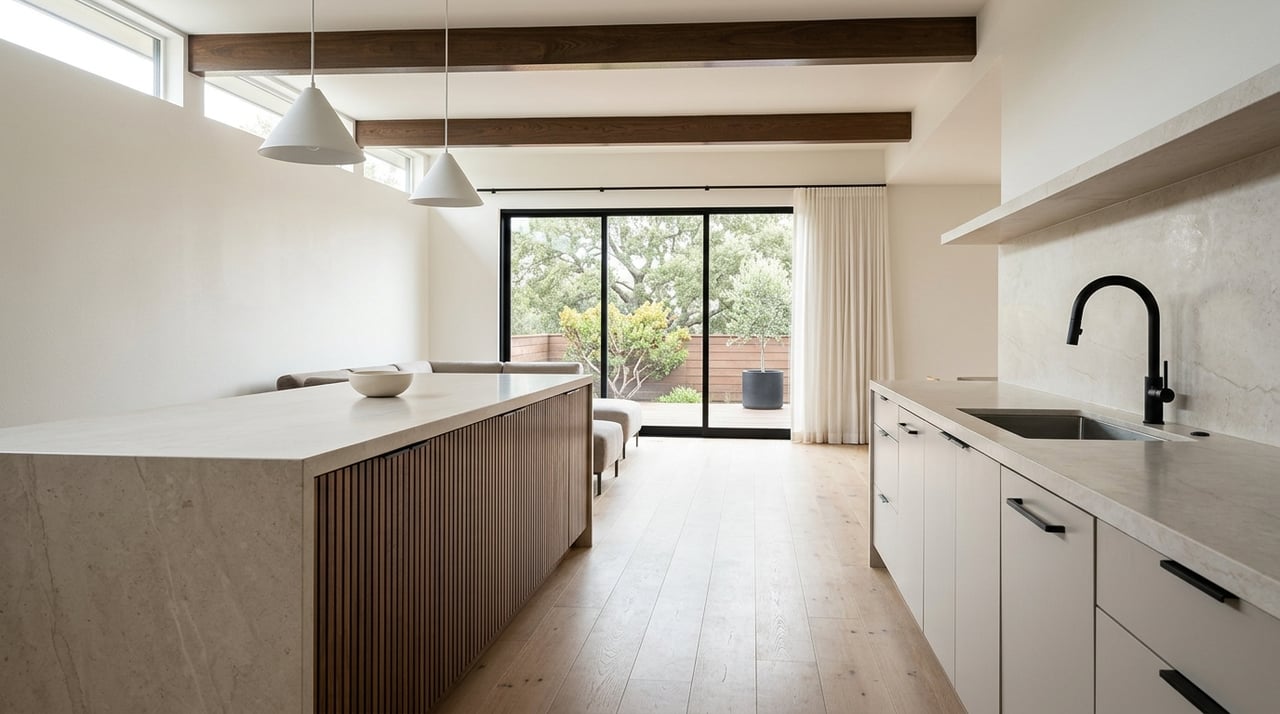
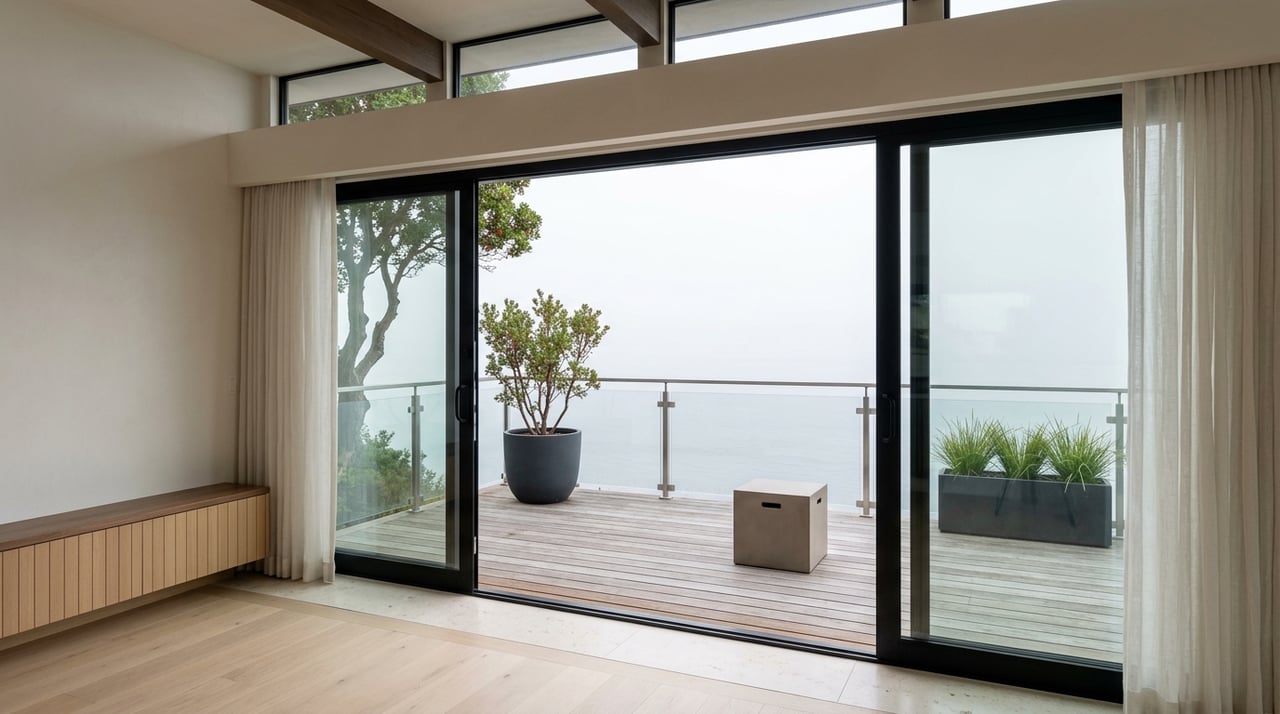
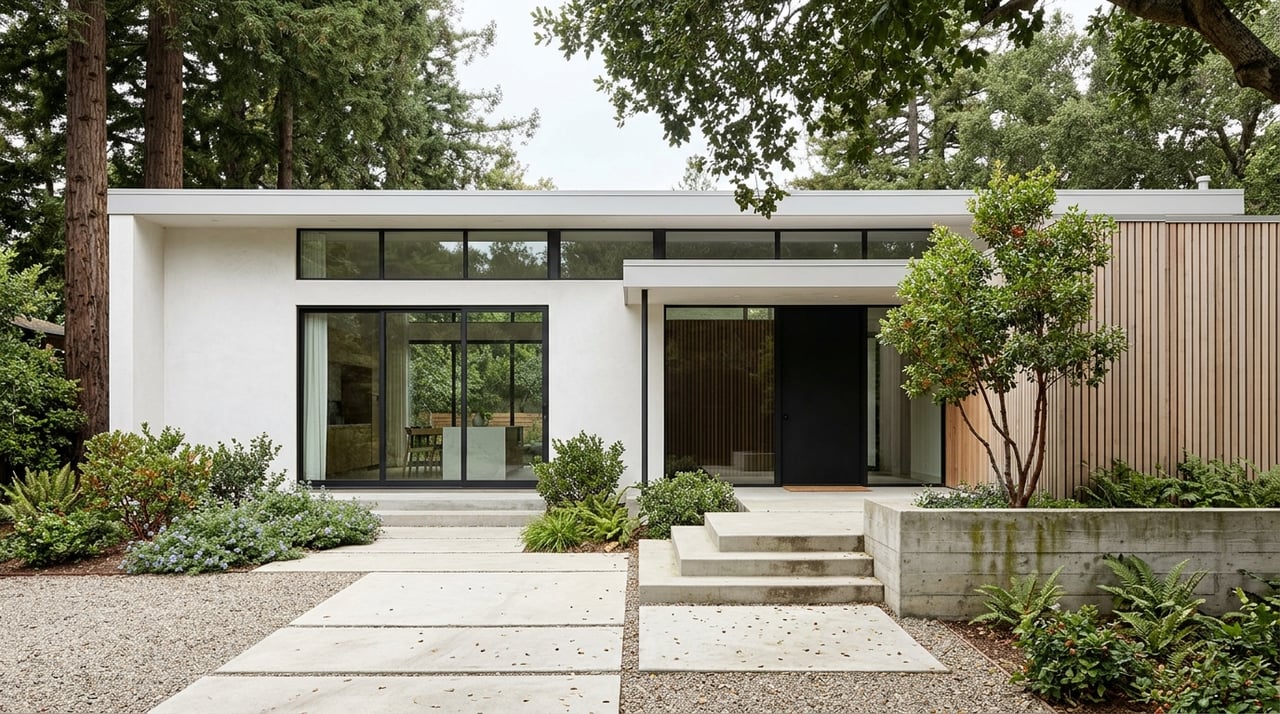
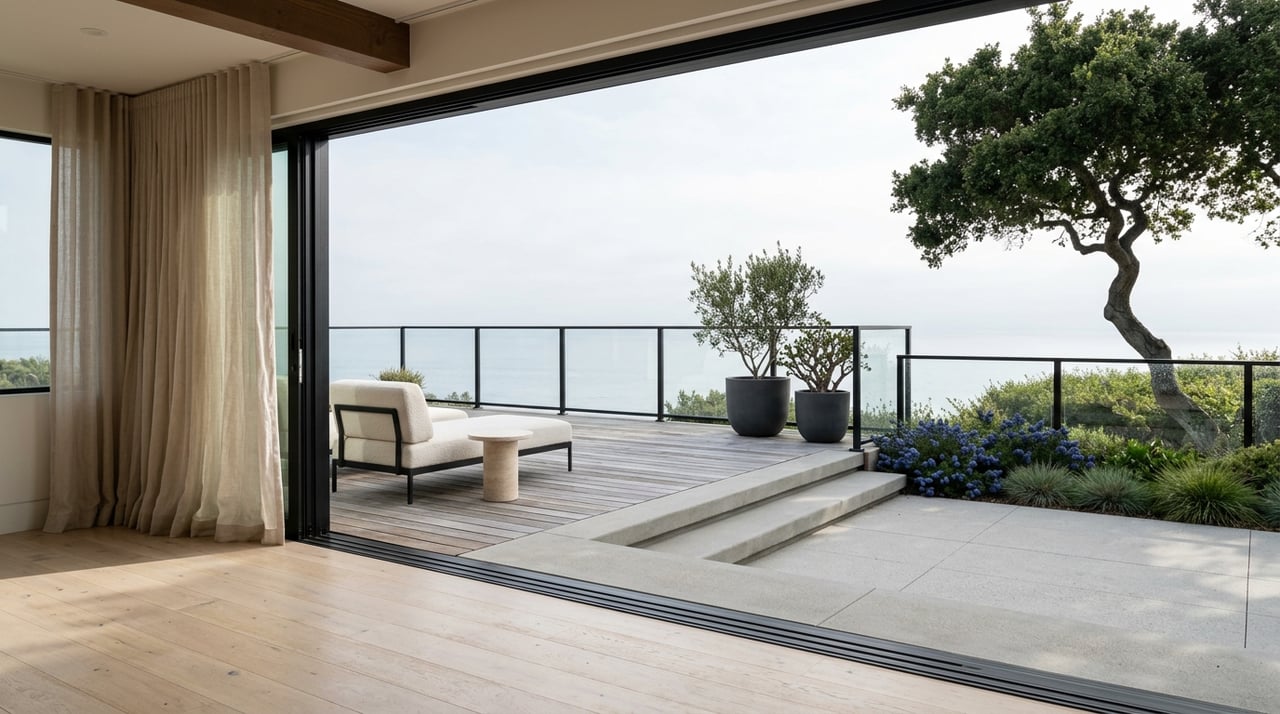
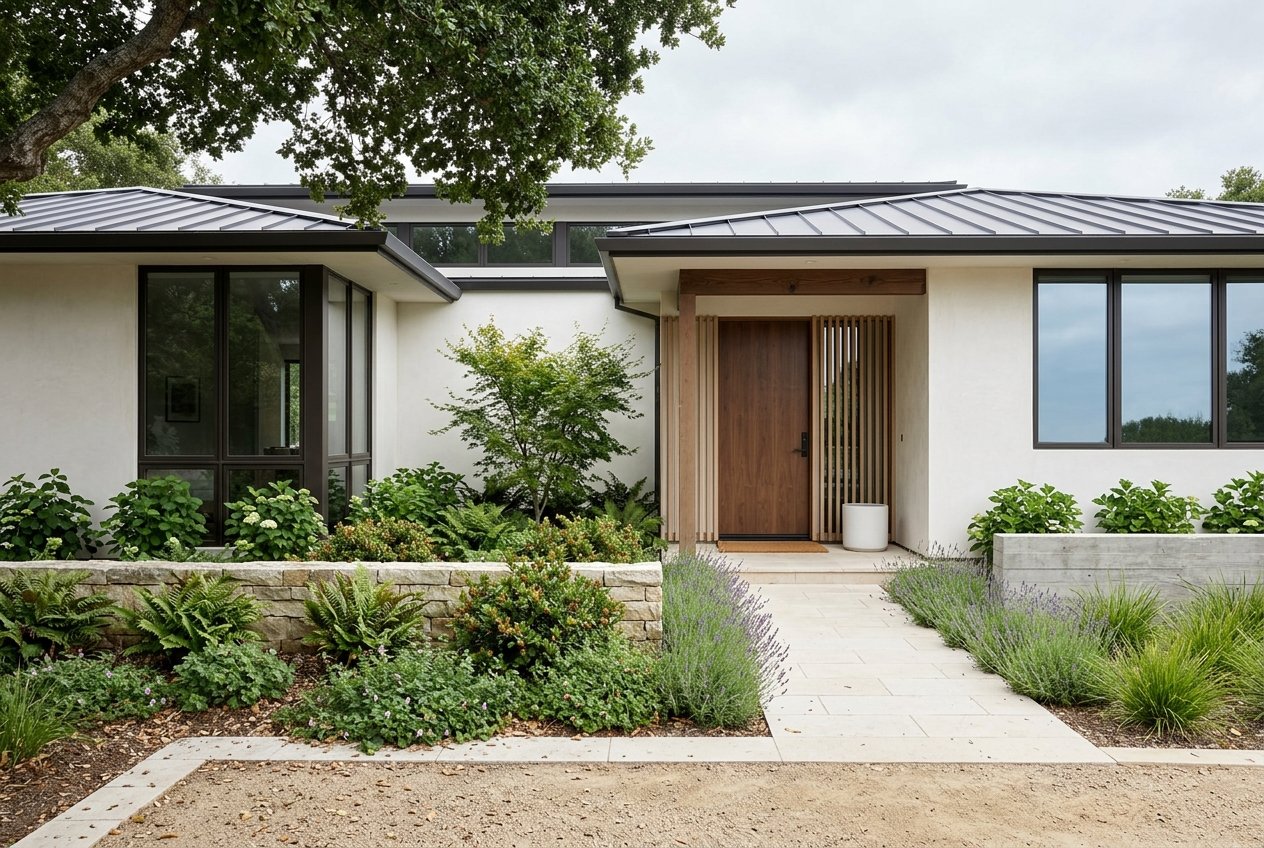
Ross is not only about historic homes. The town’s design guidelines make clear that newer interpretations of traditional forms are part of the local architectural mix, and some modern houses with flat roofs and simple geometry also exist.
That is an important point for today’s luxury market. Buyers in Ross may be drawn to preserved period homes, but they may also seek a more contemporary house that still feels contextual and well-sited.
In other words, newer homes in Ross tend to succeed when they respect the town’s broader design priorities. Those priorities include craftsmanship, restrained lot coverage, and a close relationship between architecture and landscape.
What strong newer homes often share
- Intentional siting on the lot
- Clear geometry and clean lines
- Compatibility with surrounding scale and landscape
- Thoughtful materials and proportions
- A sense of continuity with Ross’s established character
For sellers of updated-traditional or modern homes, the story is often about balance. Buyers want fresh livability, but in Ross they also tend to notice whether a house feels grounded in its setting.
Why Integrity Often Matters Most
Town guidance suggests that preserving Ross’s architectural mix matters more than forcing one fixed look. The goal is to guide change, not turn the town into a museum.
That has real implications in the luxury market. Based on the town’s preservation priorities and design guidance, homes with intact rooflines, coherent additions, original or well-matched windows, and a mature wooded setting may command stronger attention from design-minded buyers.
This is not just about aesthetics. It is about credibility. When a home’s architecture, updates, and site all feel aligned, buyers often see a more complete and lasting value proposition.
Ross also sits firmly in the luxury tier. Redfin reported a March 2026 median sale price of $3.5 million in Ross, while Zillow estimated the average Ross home value at about $4.03 million as of April 30, 2026. At that level, architectural integrity can matter just as much as square footage.
What Owners Should Preserve
Ross’s design guidance strongly favors preserving character-defining features and repairing them when feasible rather than replacing them unnecessarily. The guidelines specifically call out porches, brackets, exposed rafter tails, roof forms, doors, windows, and original material finishes as important features to protect.
For homeowners, that can shape both maintenance planning and renovation decisions. Thoughtful stewardship often means looking beyond surface-level updates and paying close attention to original materials, proportions, and details.
Features worth protecting
- Original roof form and eave depth
- Historic or well-matched windows
- Porches and terraces
- Decorative brackets and rafter tails
- Original doors and trim
- Exterior materials and finishes that fit the home’s style
National Park Service preservation guidance cited in the research also supports repair-first thinking for items like wood windows, roof elements, and stucco finishes. In practice, Ross owners often benefit from cyclical care, including paint upkeep, sash repair, flashing and gutter maintenance, and carefully detailed exterior work.
What Buyers and Sellers Can Take From This
If you are buying in Ross, it helps to look beyond labels. A home may be called shingle, cottage, Colonial Revival, Mediterranean, or contemporary, but the deeper question is how well it expresses its style and how well it relates to the site.
If you are selling, the architectural identity of your home is not a side note. It can shape pricing, preparation, staging decisions, photography, and the overall narrative presented to buyers. In a place like Ross, that story often carries real weight.
A thoughtful go-to-market strategy should reflect the home’s design language, highlight the right details, and respect what makes the property distinctive. That is especially true in an affluent, design-aware market where buyers often respond to craftsmanship, setting, and authenticity.
If you are preparing to buy or sell a distinctive home in Ross, Stephanie Pratt offers discreet, high-touch guidance shaped by deep Marin market knowledge, strategic presentation, and a strong understanding of what design-minded buyers notice most.
FAQs
What architectural styles are most common in Ross luxury homes?
- Ross is known for First Bay Tradition and Shingle Style homes, cottage and Storybook forms, Colonial Revival and Dutch Colonial houses, Spanish Colonial and Mediterranean designs, and newer contextual contemporary homes.
Why does architecture matter when buying a luxury home in Ross?
- Architecture matters in Ross because the town places a strong emphasis on site relationship, craftsmanship, and preserving its architectural mix, which can influence how buyers evaluate a home’s appeal and long-term value.
What features should Ross homeowners preserve during renovations?
- Ross design guidance highlights features such as porches, brackets, exposed rafter tails, roof forms, doors, windows, and original exterior finishes as important character-defining elements.
Are contemporary homes accepted in Ross?
- Yes. Ross design guidelines note that newer interpretations of traditional forms and some modern homes with flat roofs and simple geometry are part of the town’s architectural landscape when they are thoughtfully integrated.
How expensive is the Ross housing market?
- Research cited for this article reported a March 2026 median sale price of $3.5 million in Ross and an estimated average home value of about $4.03 million as of April 30, 2026, placing Ross firmly in the luxury market.