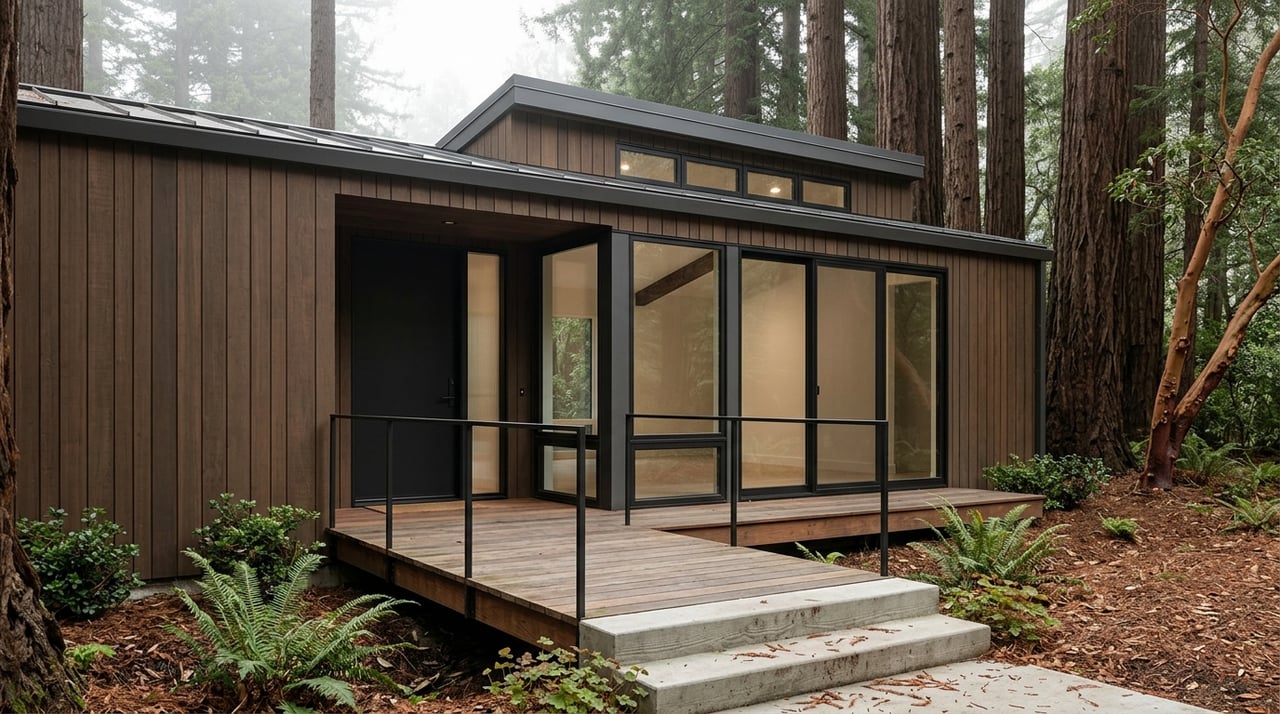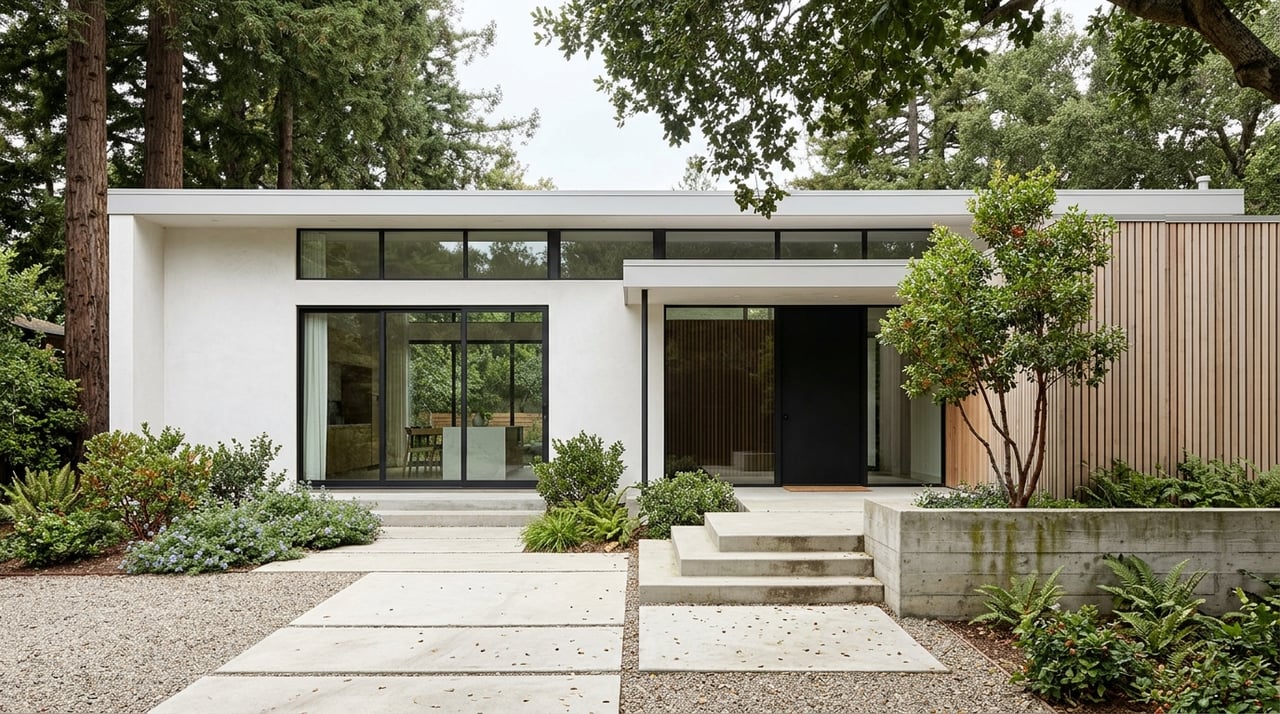
If you are drawn to the idea of living somewhere that makes it easy to step outside and keep moving, Mill Valley stands out right away. In this part of Marin, trails, parks, downtown gathering spots, and commute options all sit surprisingly close together. That matters whether you are relocating, exploring the area, or thinking about what daily life here could really feel like. Let’s take a closer look at how outdoor access shapes everyday living in Mill Valley.
Outdoor Living Starts With Access
Mill Valley’s outdoor identity is closely tied to Mount Tamalpais, Muir Woods, local parks, and a distinctive network of pedestrian paths. What makes the area feel different is not just the scenery. It is the way recreation, civic life, and daily routines overlap within a compact geography.
You can start the day on a trail, stop downtown for coffee, swing by the library, and still stay connected to the rest of Marin and San Francisco. For many buyers, that blend is a big part of Mill Valley’s appeal. The setting feels tucked into nature, but daily life remains active and connected.
Mount Tam Shapes the Lifestyle
Mount Tamalpais State Park sits just north of the Golden Gate Bridge and offers a broad mix of landscapes, including redwood forests, oak woodlands, grasslands, and chaparral. The park also includes long views across Marin, San Francisco Bay, the East Bay, and out to the Farallon Islands. That variety gives outdoor time here a very different feel from one trail to the next.
For hikers, the scale is significant. State Parks reports more than 60 miles of hiking trails in the park, connected to a 200-mile regional trail system on neighboring public lands. That means outdoor options are not limited to a single park entrance or one familiar loop.
Marin Water adds another layer through the Mount Tamalpais Watershed, which includes about 150 miles of roads and trails. This watershed is an important open-space and stewardship landscape for central and southern Marin. It also reflects a practical reality of living near managed public lands: checking trail and road closures is often part of planning your day.
Seasonal Trail Patterns Matter
Outdoor living in Mill Valley changes with the season. According to State Parks, creeks and waterfalls are usually most dramatic from late November through March, while wildflowers tend to peak from February through May. If you enjoy repeat visits to the same places, you will likely notice how different the landscape can feel over the course of a year.
That seasonal rhythm also shapes weekend habits. Some residents may plan around weather, trail conditions, and crowd patterns rather than treating every outing the same way. It is a small detail, but it adds to the sense that outdoor access here is part of real daily life, not just a postcard backdrop.
Muir Woods Is Close, But Plan Ahead
Muir Woods National Monument is located at 1 Muir Woods Rd in Mill Valley, which makes redwood access a real part of the local landscape. For anyone considering the area, that proximity is easy to appreciate. At the same time, visiting Muir Woods does require planning.
The National Park Service states that reservations are required for all personal vehicles and shuttle riders. It also notes that there is no cell phone service in the forest. For everyday living, that means spontaneous visits are possible only if you have already handled the logistics.
Parks Support Daily Recreation
Mill Valley’s city park system adds another layer to the outdoor experience. The city lists Bayfront Park, Boyle Park, Old Mill Park, the Dog Park, Downtown Plaza, and other neighborhood green spaces. These parks help make outdoor time more flexible, especially when you want something easier than a longer trail outing.
Old Mill Park is one of the town’s best-known public spaces. The city describes it as a redwood-grove park with an amphitheater, children’s play equipment, picnic and barbecue facilities, restrooms, and the historic Reed Mill. It is the kind of place that supports both everyday use and community events.
Downtown Plaza also plays an important role. Located between Throckmorton, Miller, and Sunnyside, it includes benches, picnic tables, bathrooms, and a café. That setup helps it function as a true downtown hangout rather than just a pass-through open space.
Pet-Friendly Living Has Clear Rules
For many households, pets are part of the picture when evaluating a neighborhood. Mill Valley Recreation says dogs must be on leash in public parks, athletic fields, school grounds, the commercial district, and public steps, lanes, and paths. The designated dog park is the off-leash exception.
Those rules are useful to know because they shape how people actually use public space day to day. In a place where trails, parks, and downtown walking routes all intersect, clear guidelines matter.
The Steps, Lanes, and Paths Are Part of Daily Life
One of Mill Valley’s most distinctive features is its pedestrian network. The city says there are more than 175 original steps, lanes, and paths throughout town. These are maintained as part of a formal system used for walking, neighborhood connectivity, and evacuation planning.
That network gives Mill Valley a very specific rhythm. In some areas, getting around on foot means using stairs, hillside connections, and narrow pathways that link residential streets to parks and downtown. For buyers who value walkability, it is worth understanding that Mill Valley’s version of walkability feels more scenic and topographic than a flat street grid.
Downtown Adds Civic Energy
Mill Valley’s outdoor lifestyle is not limited to trails and parks. Downtown also serves as a civic hub, with places that encourage regular foot traffic and casual gathering. That helps the town feel active in a grounded, everyday way.
The Mill Valley Public Library, located at 375 Throckmorton Avenue, contributes to that mix. Beyond books, the library offers event calendars, book clubs, author talks, and digital media resources. In practical terms, it supports the feeling that downtown is a place people use often, not just occasionally.
The Mill Valley Community Center is another major amenity. The city says it is 6.6 miles north of the Golden Gate Bridge and 7.2 miles south of San Rafael, and it includes event space, meeting rooms, an indoor pool with a retractable roof, a 120-foot spiral water slide, and fitness facilities. The city also notes that nonresidents can use programs and services.
Community Events Keep the Town Active
Mill Valley’s public calendar adds another dimension to daily life. The city’s Arts Commission sponsors programs such as First Tuesday ArtWalk, monthly exhibits at City Hall and the Community Center, Concerts in the Plaza, Comedy in the Plaza, and the Click Off photography competition. These events give downtown and public spaces a steady rhythm.
Current recreation and arts listings also show an active lineup that includes events such as PRIDE Mill Valley, Juneteenth Freedom Festival, Starduster Tuesdays, and Comedy in the Plaza. For someone new to the area, that variety suggests a downtown core that stays socially engaged throughout the year.
The library’s First Wednesday History Talks deepen that connection between place and local identity. Topics have included the Dipsea Race, rail history, and Coast Miwok history. It is another example of how Mill Valley ties outdoor culture and community life together.
The Dipsea Race Reflects Local Identity
The Dipsea Race is one of Mill Valley’s most recognizable traditions. Its course begins in downtown Mill Valley, passes Old Mill Park, and continues onto the trail network. That route makes the town’s relationship to outdoor movement visible in a very direct way.
Even if you never plan to run it, the race says something important about the area. In Mill Valley, outdoor culture is not pushed to the edges. It runs straight through the center of town.
Commuting and Weekend Planning
Mill Valley’s hillside setting can make the town feel removed, but transit options are more flexible than some people expect. Golden Gate Transit lists Route 114 as a Mill Valley to San Francisco route. Marin Transit Bus 17 connects Mill Valley with Sausalito, Marin City, and San Rafael, with peak weekday service averaging about every 30 minutes.
For buyers balancing outdoor lifestyle with Bay Area access, that matters. The area supports a pattern where trails and parks are close at hand, while regional connections remain part of the picture.
At the same time, practical planning is part of the lifestyle. The city maintains a road closures and traffic page, and State Parks advises arriving early to Mount Tamalpais on weekends and holidays to avoid heavy traffic. In other words, outdoor convenience is real, but timing still matters.
What Mill Valley Everyday Living Feels Like
Taken together, Mill Valley’s parks, trails, redwood access, downtown amenities, and pedestrian routes create a lifestyle built around movement. You are not choosing between nature and convenience in a strict way. In many parts of town, the two are woven together.
That is often what stands out most to buyers. Mill Valley offers access to major outdoor destinations like Mount Tamalpais and Muir Woods, while also supporting the smaller routines that make a place livable, from library visits to plaza events to neighborhood walks on steps and lanes.
If you are considering a move in Marin, understanding this daily rhythm can be just as important as touring homes. The right fit is often about how a place works once the weekend is over. If you are exploring Mill Valley or planning your next move in Marin, Stephanie Pratt offers local guidance with a thoughtful, highly personalized approach.
FAQs
What makes outdoor living in Mill Valley different from other Marin towns?
- Mill Valley stands out for how closely trails, redwood access, downtown amenities, parks, and pedestrian paths all connect within a relatively small area.
How extensive are the trails near Mill Valley?
- Mount Tamalpais State Park has more than 60 miles of hiking trails connected to a 200-mile regional trail system, and Marin Water’s Mount Tamalpais Watershed adds about 150 miles of roads and trails.
What should you know before visiting Muir Woods from Mill Valley?
- The National Park Service requires reservations for personal vehicles and shuttle riders, and there is no cell phone service in the forest.
Which Mill Valley parks support everyday recreation?
- The city park system includes spaces such as Bayfront Park, Boyle Park, Old Mill Park, the Dog Park, and Downtown Plaza, each supporting different kinds of daily outdoor use.
How walkable is Mill Valley for daily errands and neighborhood connections?
- Mill Valley has a formal network of more than 175 steps, lanes, and paths that support walking, neighborhood connectivity, and evacuation planning.
What community spaces add to everyday life in Mill Valley?
- Downtown Plaza, the Mill Valley Public Library, and the Mill Valley Community Center all help support regular civic activity, recreation, and casual gathering.
What transit options connect Mill Valley with nearby areas?
- Golden Gate Transit Route 114 connects Mill Valley with San Francisco, and Marin Transit Bus 17 connects Mill Valley with Sausalito, Marin City, and San Rafael.
How should you plan for busy outdoor weekends in Mill Valley?
- It helps to check road or trail closures in advance and arrive early for Mount Tamalpais on weekends and holidays, since traffic can be heavier during peak times.