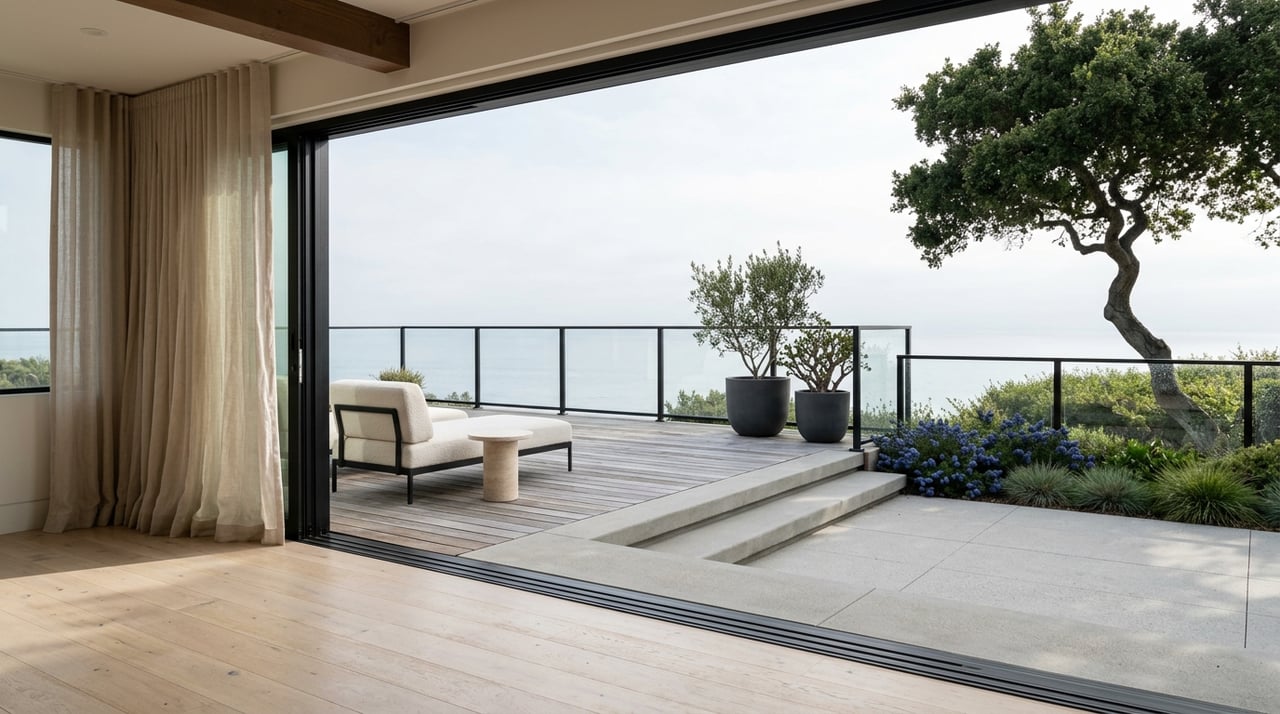
If you are drawn to Belvedere, you already know this is not a one-size-fits-all market. In a city with about half a square mile of land, fewer than 1,000 residences, and a landscape shaped by water, slope, and narrow roads, the difference between a waterfront home and a hillside property can change how you live every day. This guide will help you compare the two clearly so you can focus on the setting that best fits your priorities. Let’s dive in.
Why Belvedere Feels So Distinct
Belvedere is one of California’s smallest and oldest cities, and its layout is unusually compact and water-defined. There is very little retail or commercial presence, so daily life here is influenced more by topography, access, and exposure than by a traditional town-center pattern.
That matters because in Belvedere, the exact street and lot position often matter as much as the city name itself. A home on the lagoon, a house above the cove, and a property on a steep island street can all offer very different living experiences.
Belvedere also has a marine microclimate. City planning materials note that it generally gets more sun and less fog than some nearby Bay Area locations, but fog and wind can still shift quickly, which means waterfront homes often feel more exposed while some hillside sites may feel more sheltered depending on orientation and landscaping.
Waterfront Living in Belvedere
Waterfront living in Belvedere is not a single category. The experience can vary quite a bit depending on whether you are looking at sheltered lagoon frontage or a more open shoreline setting along the cove and West Shore.
Belvedere Lagoon Setting
The Belvedere Lagoon is the flattest part of the city. It surrounds an interior waterway and is known for small- to moderate-sized lots, mostly one- and two-story homes from the 1950s and 1960s, and a generally easier day-to-day layout.
Many homes here are oriented toward the lagoon rather than the street. The area tends to feel calmer and more sheltered than open shoreline locations, which is part of its appeal for buyers who want water frontage with a less exposed setting.
Because homes are often closer together, privacy may depend more on setbacks and screening than on distance. City planning also notes that water reflection, light spillover, and second-story placement are part of the design conversation in this district.
Cove and West Shore Setting
If your idea of waterfront living includes a stronger boating connection, Belvedere Cove and West Shore Road may be the closer fit. The city identifies this shoreline area as home to yacht clubs, residential docks, and other water-access infrastructure.
This setting is generally more exposed than the lagoon. In some parts of West Shore, homes project out above the water on pilings, and the shoreline can be steep, so waterfront does not always mean easy walk-out shoreline access.
For some buyers, that tradeoff is worth it for the direct connection to the bay-facing edge. For others, it is a reminder that a waterfront label should be evaluated carefully at the property level.
Practical Waterfront Tradeoffs
The biggest practical difference with low-lying waterfront areas is flood exposure. City guidance states that most properties in the Belvedere Lagoon and West Shore Road neighborhoods are in FEMA special flood hazard areas, and flood insurance is separate from a standard homeowners policy.
The city also notes that flooding can occur when heavy rain and high tide happen together. Lower-lying corridors may also be affected by future sea-level rise, which makes due diligence especially important if you are comparing waterfront options.
Boating use can also bring additional layers of ownership. If a property includes or relates to docks, boatlifts, moorages, or shoreline protection, your review should include permits, maintenance needs, and shoreline-specific rules, not just the view.
Hillside and Island-View Living
Hillside living in Belvedere offers a different kind of appeal. Instead of prioritizing shoreline access, these homes often draw buyers who want elevation, layered views, mature landscaping, and a more secluded feel.
Belvedere Island Character
Belvedere Island is the city’s most varied topographic area. The city describes it as park-like and semi-rural, with mature vegetation, narrow winding streets, scenic views, and a mix of expansive homes and more modest hillside ranch-style houses.
This is also where you see a broad range of architectural styles, including Shingle Style, Arts and Crafts, modern designs, and some Mediterranean homes. If you are looking for older character, more varied lot conditions, and a sense of elevation, this area often delivers that blend.
Higher lots generally offer more separation and greenery. That can create a stronger sense of privacy, though each property still needs to be assessed based on street width, neighboring structures, and how the home sits on the site.
Corinthian Island Character
Corinthian Island has a more compact and steeply sloped feel. The city describes it as very narrow, steep, and hill-town in character, with homes closer together and at least partial Bay views from every home.
Compared with the lagoon, Corinthian is more view-driven and more vertical in daily experience. You may gain elevation and outlook, but you will usually give up the flatter, more forgiving circulation pattern found in the lagoon district.
For buyers who value visual drama and proximity, that can be a compelling exchange. For buyers who want easier parking, deliveries, and flatter movement, it may feel less practical.
Practical Hillside Tradeoffs
Hillside properties come with their own set of site considerations. The city specifically highlights grading, drainage, building placement, and minimizing bulk as hillside design issues, and it notes slope-movement hazards on steeper terrain.
Access is another major point. Belvedere’s roadway network follows the land, so many roads are curving and narrow, with shared space for drivers, cyclists, and pedestrians.
Parking can also be more limited on Belvedere and Corinthian Islands. City materials describe a severe parking problem in these steeper areas, while the lagoon area is generally more forgiving, with wider streets and more homes that include garages or carports.
Waterfront vs. Hillside: What Changes Day to Day
When buyers compare these settings, the best question is often not which is better, but which works better for your routine. In Belvedere, lifestyle fit comes down to a handful of very practical details.
If You Want Flatter Daily Living
The lagoon is the clear standout if you want easier circulation. It is the flattest portion of the city, and its streets tend to be wider and simpler for parking, guests, and deliveries.
That can matter more than buyers expect, especially if you plan to entertain often or want a more straightforward day-to-day layout. A flat district can feel very different from a steep hillside street when you live with it full time.
If You Want Boating Proximity
Belvedere Cove and the West Shore shoreline edge are the most boating-oriented areas. These are the settings most closely tied to residential docks, yacht clubs, and shoreline infrastructure.
If boating access is central to your lifestyle, that may outweigh the added complexity that can come with shoreline rules and maintenance. The key is to think beyond the romance of the water and evaluate the actual use case.
If You Want Privacy and Separation
Higher Belvedere Island lots and some hillside parcels generally offer more separation, mature vegetation, and a more buffered feel. Waterfront and compact districts can still be beautiful, but privacy often depends more on screening and setbacks because homes may sit closer together.
This is one of the biggest emotional distinctions between the two. Some buyers want open connection to the water and neighborhood activity, while others want more retreat-like positioning.
If You Want Easier Access to Tiburon and SF Connections
For many Belvedere buyers, nearby Tiburon is part of the lifestyle equation. The Town of Tiburon states that the Golden Gate Ferry ride from San Francisco to Tiburon takes about 30 minutes, and Marin Transit Route 219 connects the Tiburon hills to the ferry dock.
That makes the peninsula especially appealing if you want bay-oriented living without giving up workable access to San Francisco. Depending on the property, easier in-and-out circulation may still be a factor, particularly on narrower hillside streets.
How to Compare Homes More Strategically
Because Belvedere is largely built out, many future changes come through remodeling, expansion, or replacement rather than new large-scale development. That means the quality of the existing site, access, and orientation can have long-term importance.
If you are comparing homes here, focus on the details that shape daily use:
- Lot position: flat lagoon frontage, open shoreline edge, or elevated hillside setting
- Exposure: sheltered feel versus wind and water exposure
- Access: street width, parking ease, delivery access, and turning space
- Site conditions: flood exposure for low-lying areas or slope and drainage issues for hillside properties
- Privacy: natural separation, landscaping, and relationship to neighboring homes
- Property improvement potential: whether future work may involve design review or, for historic properties, additional city review
In a market this nuanced, two homes at similar price points can offer very different ownership experiences. A well-informed comparison usually comes down to understanding not just the house, but also the block, the slope, and the specific waterfront or hillside condition.
The Bottom Line on Belvedere Living
Waterfront living in Belvedere tends to suit buyers who want boating proximity, sheltered lagoon frontage, or direct shoreline connection and are comfortable with greater flood sensitivity and shoreline-specific considerations. Hillside and island-view living tends to fit buyers who prioritize elevation, broader views, mature landscape, and a more secluded feel, while accepting steeper streets, tighter parking, and more site-related complexity.
Neither choice is universally better. The right fit depends on whether you want your home to feel more connected to the water’s edge or more lifted above it.
If you are weighing Belvedere’s waterfront and hillside options, working with someone who understands the block-by-block differences can make the search far more efficient. For a private consultation or confidential guidance on Belvedere homes, connect with Stephanie Pratt.
FAQs
What is the main difference between Belvedere waterfront and hillside living?
- Waterfront living is usually more boating-oriented and lower-lying, while hillside living is usually more view-driven, elevated, and shaped by slope, narrow roads, and site access.
Which Belvedere area is flattest for everyday living?
- The Belvedere Lagoon is the flattest part of the city and is generally easier for daily circulation, parking, and deliveries.
Which Belvedere neighborhoods have the most flood exposure?
- City guidance identifies the Belvedere Lagoon and West Shore Road neighborhoods as the most clearly flood-sensitive areas.
Which parts of Belvedere are best for boating access?
- Belvedere Cove and the West Shore shoreline edge are the most boating-oriented settings because they include residential docks, yacht-club facilities, and shoreline infrastructure.
Which Belvedere areas tend to feel more private?
- Higher lots on Belvedere Island and some hillside parcels generally offer more separation and mature vegetation, while more compact areas rely more on screening and setbacks.
What should buyers know about access on Belvedere hillsides?
- Hillside areas can have narrow winding streets, limited parking, steeper slopes, and more complicated delivery or service access than flatter parts of the city.