Water at your doorstep or sweeping views from above? If you are weighing a Sausalito floating home against a hillside residence, you are choosing between two distinct ways of living. Both offer striking design potential, world‑class scenery, and access to the Bay Area. They differ in ownership, fees, maintenance, commute, and long‑term risks. In this guide, you will learn how each option works in Sausalito, what costs to expect, and which documents and inspections to prioritize before you buy. Let’s dive in.
Sausalito living at a glance
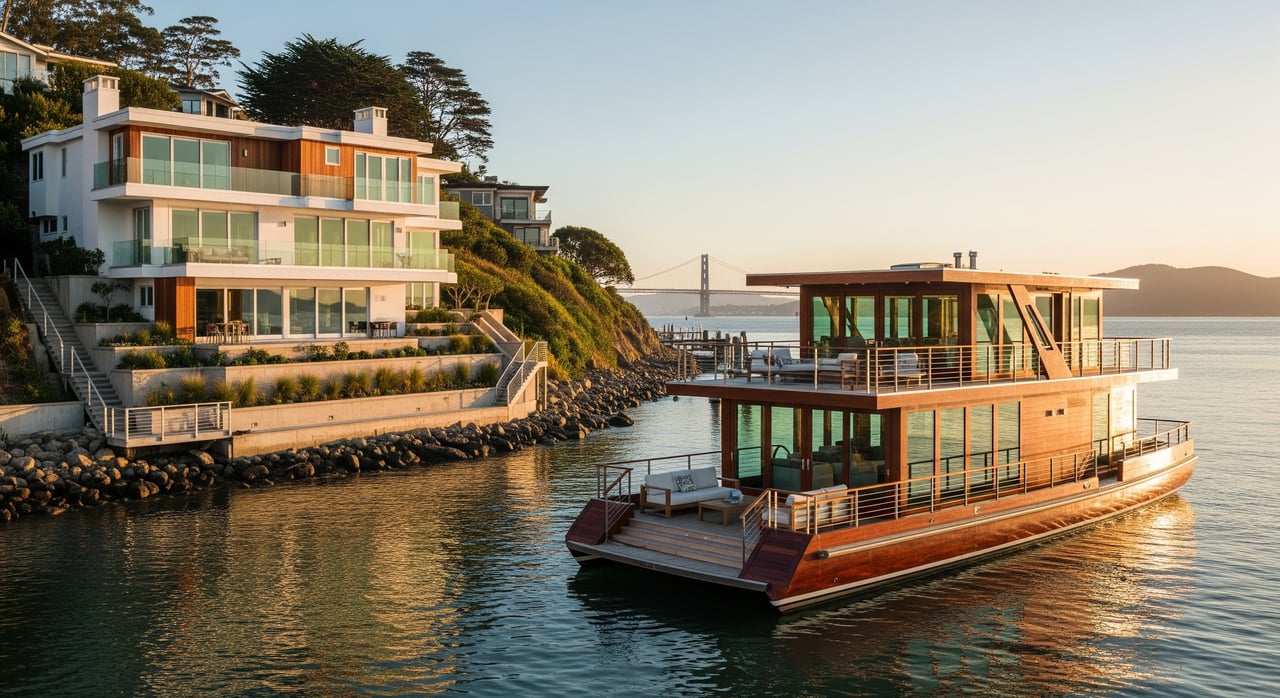
Sausalito sits on the north side of the Golden Gate. Downtown lines Bridgeway, with multiple houseboat communities along Richardson Bay and steep residential hills rising above. Floating homes put you on the water with a close community feel. Hillside homes deliver elevation, privacy, and conventional ownership.
- Floating homes: You own the structure and typically lease the berth or tideland access. Expect monthly site fees and marina rules. Insurance and financing are specialized.
- Hillside homes: You own the land and the house. Financing is usually conventional, with typical homeowner costs and slope‑related maintenance.
Ownership and legal structure
Floating homes: how ownership works
In Sausalito, you usually own the home but not the water or seabed beneath. Most floating homes occupy a leased berth or pier within a marina or dock community. Your purchase often includes the home and the right to a specific berth under a lease or license. These documents can set monthly fees, transfer rules, capital assessments for pier upgrades, and lender consent requirements. Some communities hold long‑term leases or easements for docks, but terms vary by location.
Plan to review local permits and oversight. Waterfront properties can be subject to City of Sausalito rules, Marin County records, Bay Conservation and Development Commission guidance, and California State Lands Commission oversight for tidelands. Environmental compliance also matters for marine systems and waste handling.
Hillside homes: fee‑simple simplicity
Most hillside properties are fee‑simple parcels. You own the land and improvements with recorded easements for utilities where applicable. Some neighborhoods have CC&Rs or an HOA, but many do not. City permits and code history are still key for additions, retaining walls, and drainage.
Financing, taxes, and insurance
Financing realities
- Floating homes: Many lenders treat these as personal property when the berth sits on leased tidelands. Buyers often use marina loans, chattel mortgages, or portfolio lenders familiar with floating homes. Loan terms and rates can differ from conventional mortgages. Verify lender appetite early.
- Hillside homes: Most qualify for conventional financing. Appraisals draw from standard local comparables.
Taxes and assessments
Both home types are assessed by Marin County. Floating homes are generally taxed on the structure and improvements. The berth or float classification depends on local practice and the lease. Ask for recent tax bills and assessed values. Hillside homes may carry special assessments for road or drainage projects. Floating home communities may levy association fees or capital assessments, similar to an HOA.
Insurance considerations
- Floating homes: Expect a specialized policy mix. You will likely need building and contents coverage tailored to marine conditions, liability tied to dock activity, and possibly separate coverage for watercraft. Premiums can be higher than a standard home policy. Flood risk, sewage systems, and electrical certifications can affect coverage.
- Hillside homes: Standard homeowners insurance applies, with optional riders. Many owners add earthquake coverage in California. On steep lots, ask about endorsements for earth movement or landslide exposure.
Monthly costs and maintenance
Floating homes: recurring fees and upkeep
Plan for monthly moorage or site fees, dock maintenance charges, and utilities that may be billed through a marina or association. Parking permits, boat slip fees, and pump‑out costs can be separate line items. Maintenance focuses on the float, pilings, and marine systems. Expect periodic inspections, attention to waterline corrosion and wood rot, and electrical components designed for marine environments. Environmental rules apply to coatings and fuel storage.
Hillside homes: slope, drainage, and landscaping
Monthly costs look like typical property taxes and utilities, plus landscaping and exterior upkeep. On steep lots, routine drainage management, retaining wall inspections, and driveway care are ongoing. Vegetation management for fire safety is a regular task in Marin’s Mediterranean climate.
Utilities and infrastructure
Floating homes: verify the hookups
Connections can vary by dock. Some floating homes connect to municipal water, electricity, and sewer through pump systems. Others depend on pump‑outs for waste. Confirm how water is metered, whether electricity is sub‑metered or master‑metered, and how sewer service is provided. Request recent utility bills and infrastructure diagrams, and confirm inspection records for pumps and marine electrical.
Hillside homes: conventional service
Most hillside properties in Sausalito connect to municipal systems for water, sewer, and electricity. Always verify permit history for utility upgrades and any private drainage improvements.
Parking, access, and commute
Parking trade‑offs
- Floating homes: On‑shore parking can be limited. Some communities assign permits or spaces. Others rely on nearby street parking with city restrictions. You may see separate fees for on‑shore parking. Guest parking can be tight in peak hours.
- Hillside homes: Driveways and garages are common, though many streets are narrow and steep. Guest parking can still be limited, and permitting changes can be complex on steep lots.
Commuting and transit
Sausalito’s Golden Gate Ferry connects directly to San Francisco. Crossing time is typically measured in tens of minutes, but schedules change, so check current times. Driving uses the Golden Gate Bridge and varies by time of day. Marin Transit links Sausalito to nearby communities, though frequency is lower than in major cities. Many floating home docks and hillside streets offer walkable or bike access to Bridgeway.
Deliveries and everyday logistics
- Floating homes: Dock width, distance from shore, and parking limits can complicate large deliveries. Moving day may require special planning, and in rare cases cranes or staged access. Confirm emergency response plans for your dock.
- Hillside homes: Standard delivery access is common, but steep grades and tight turns can challenge large trucks.
Environmental risks and resilience
Sea level and shoreline infrastructure
For waterfront locations, sea level rise projections and shoreline planning are increasingly important. Floating homes may adjust with changing water levels if floats and piers are maintained, but shore‑based infrastructure such as parking, utilities, and access roads must also be resilient. Lease terms and pier upgrade plans matter over the long term. Hillside homes above certain elevations see lower flood exposure but can face stormwater management challenges.
Slope, erosion, and wildfire
Hillside properties benefit from views and privacy but require attention to slope stability, drainage, and erosion control. Geotechnical input is common for remodels or additions. Across Sausalito’s hills, seasonal wildfire risk makes defensible space and vegetation maintenance an ongoing priority.
Lifestyle and design fit
Floating homes: water‑level living
If you want to be on the water, floating homes deliver an immersive lifestyle with kayak‑ready access, marine activity, and a strong on‑dock community. Interiors often showcase creative, light‑filled layouts and seamless indoor‑outdoor flow at the waterline. Trade‑offs include more complex utilities and insurance, occasional noise from harbor activity, and tighter parking.
Hillside homes: elevated privacy and views
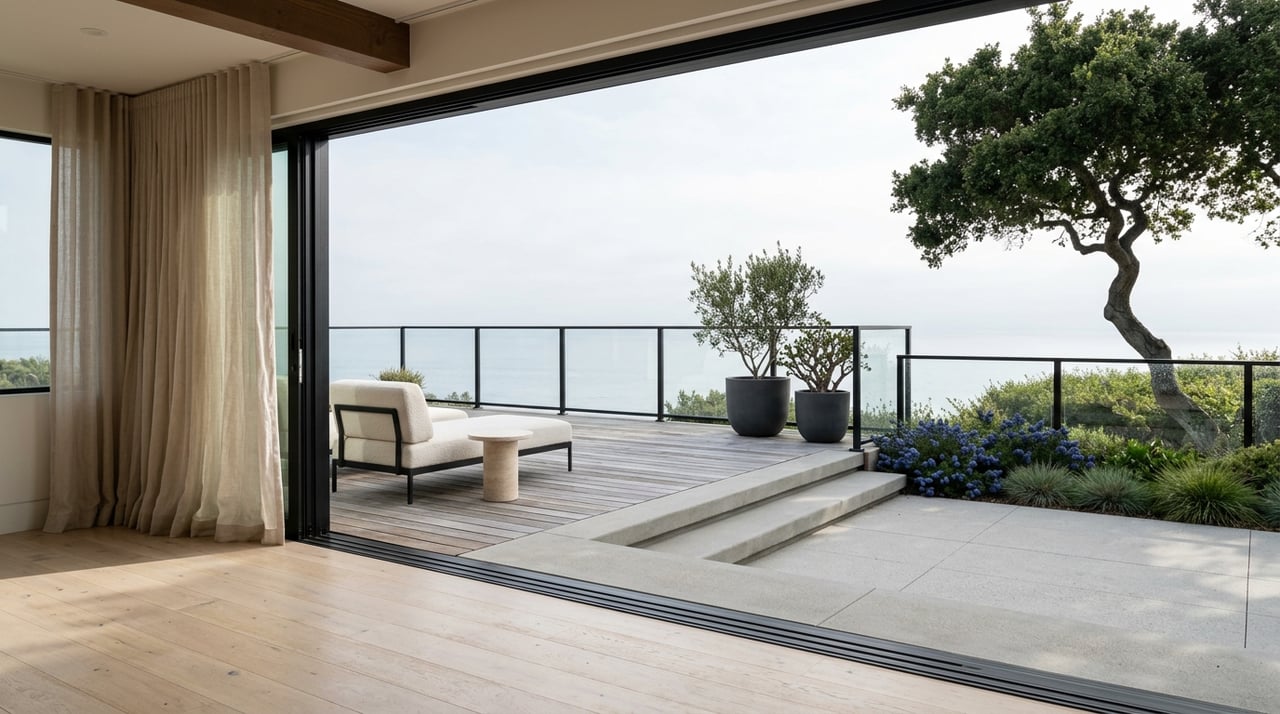
Hillside residences are a fit if you prioritize private outdoor space, garages, and broader options for additions or landscaping, subject to permits. Elevated views can be sweeping. The trade‑off is ongoing slope care and less direct access to the water’s edge.
Due diligence checklist
Smart preparation reduces surprises. Use this list to structure your review and timeline.
Documents to request
- Executed berth or pier lease/license, including assignment and expiration terms (floating homes)
- Current monthly moorage or site fees, recent increases, and any pending special assessments
- Association budgets, reserve studies, and 2 to 3 years of meeting minutes for dock or HOA
- Utility billing details and system maps: water metering, electrical metering, and sewer connection or pump‑out setup
- Insurance requirements from the marina or association and the seller’s current policy summaries
- Transfer restrictions, right‑of‑first‑refusal, or approved buyer lists for the community
- Recent float and pier inspection reports, marine electrical certifications, and related permits (floating homes)
- Geotechnical reports, grading permits, and records of any slope stabilization or retaining wall work (hillside homes)
- FEMA flood zone information and local hazard disclosures
- Recent Marin County property tax bill, title report, and recorded easements or encumbrances
Inspections and professional input
- Marine structural inspection of floats, pilings, and pier interface (floating homes)
- Licensed electrician experienced in marine systems (floating homes)
- Sewer and pump system inspection and documentation of any sewer connection
- Geotechnical or soils engineer review for slope stability and drainage (hillside homes)
- Comprehensive structural inspection of foundations, retaining walls, and drainage
- Fire‑safety and defensible space assessment on hillside properties during dry season
- Legal review of lease or association documents by an attorney experienced with floating homes or complex HOAs
- Early insurance and lender consultations to confirm product availability and estimate premiums
A quick decision guide
Ask yourself which of these statements feels more true today and five years from now.
- “I want to step onto a kayak in minutes, feel the marina energy, and accept more complex paperwork in exchange for water‑level living.” Consider a floating home.
- “I want a garage, more privacy, and conventional financing, and I am comfortable managing slope and drainage.” Consider a hillside home.
- “I value walkability to Bridgeway and ferry access.” Both can work. Compare exact dock or street location, parking, and transit connections.
- “I am sensitive to long‑term climate risk.” Study lease terms and pier plans for floating homes and geotechnical reports and drainage for hillside homes.
A thoughtful review of documents, inspections, and logistics will reveal the better fit for your lifestyle and risk tolerance.
Ready to compare specific properties or request the right due diligence documents? Reach out for a private consultation with Stephanie Pratt to navigate Sausalito’s floating and hillside options with confidence.
FAQs
What recurring fees do Sausalito floating homes typically have?
- Expect monthly site or moorage fees, dock maintenance assessments, utilities that may be billed through a marina or association, and possible separate charges for parking, boat slips, and pump‑outs.
Can you get a conventional mortgage for a Sausalito floating home?
- Often no. Many floating homes on leased tidelands are financed with chattel or portfolio loans. Confirm options with lenders who understand floating homes.
How is insurance different for floating homes vs hillside homes?
- Floating homes usually need specialized marine‑oriented coverage and may have higher premiums. Hillside homes typically use standard homeowners policies with optional earthquake and earth movement endorsements.
Are Sausalito floating homes connected to sewer?
- It depends on the dock. Some connect through pump systems to municipal sewer. Others rely on pump‑outs. Verify the exact setup and request recent service records.
How does parking work in Sausalito houseboat communities?
- Parking access varies by community. Some provide assigned on‑shore spaces or permits. Others rely on nearby street parking with city restrictions, sometimes with separate fees.
What environmental risks should hillside buyers evaluate?
- Focus on slope stability, drainage, erosion control, wildfire defensible space, and permit history for retaining walls or grading. A geotechnical review is recommended.
Which agencies regulate Sausalito waterfront properties?
- The City of Sausalito and Marin County handle local permits and records. Bay Conservation and Development Commission and the California State Lands Commission may have oversight for development on or over the Bay, with environmental rules for marine systems and shoreline access.