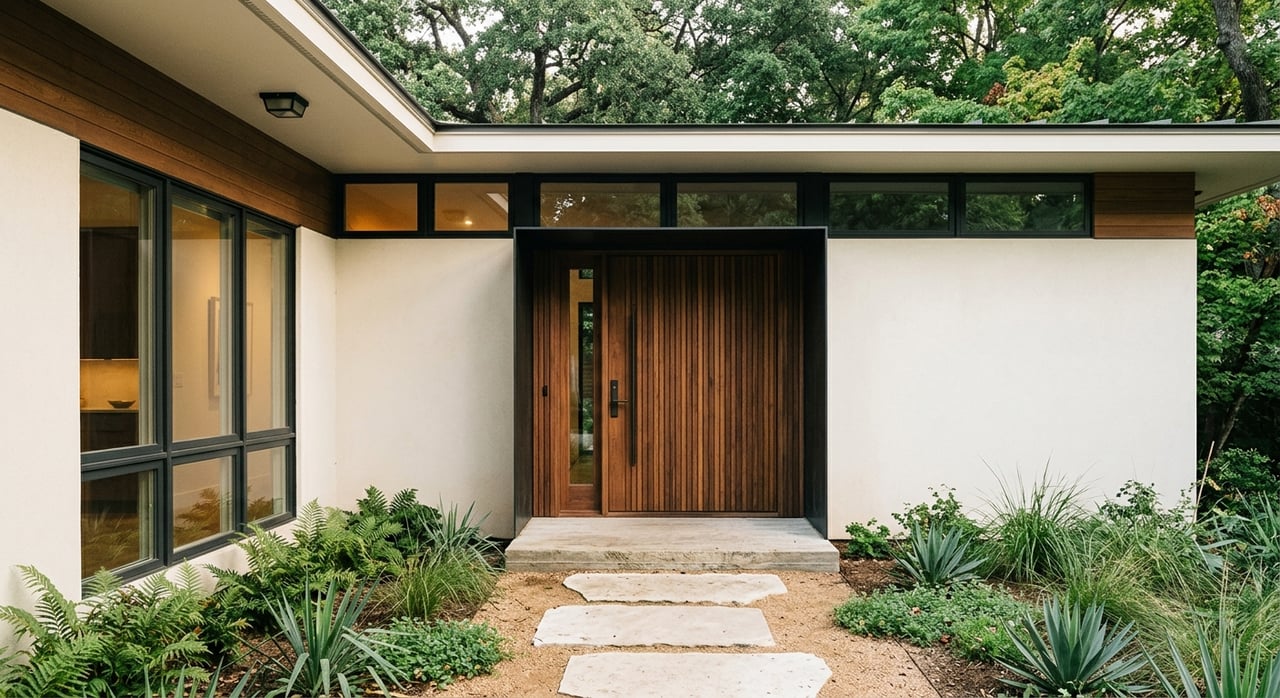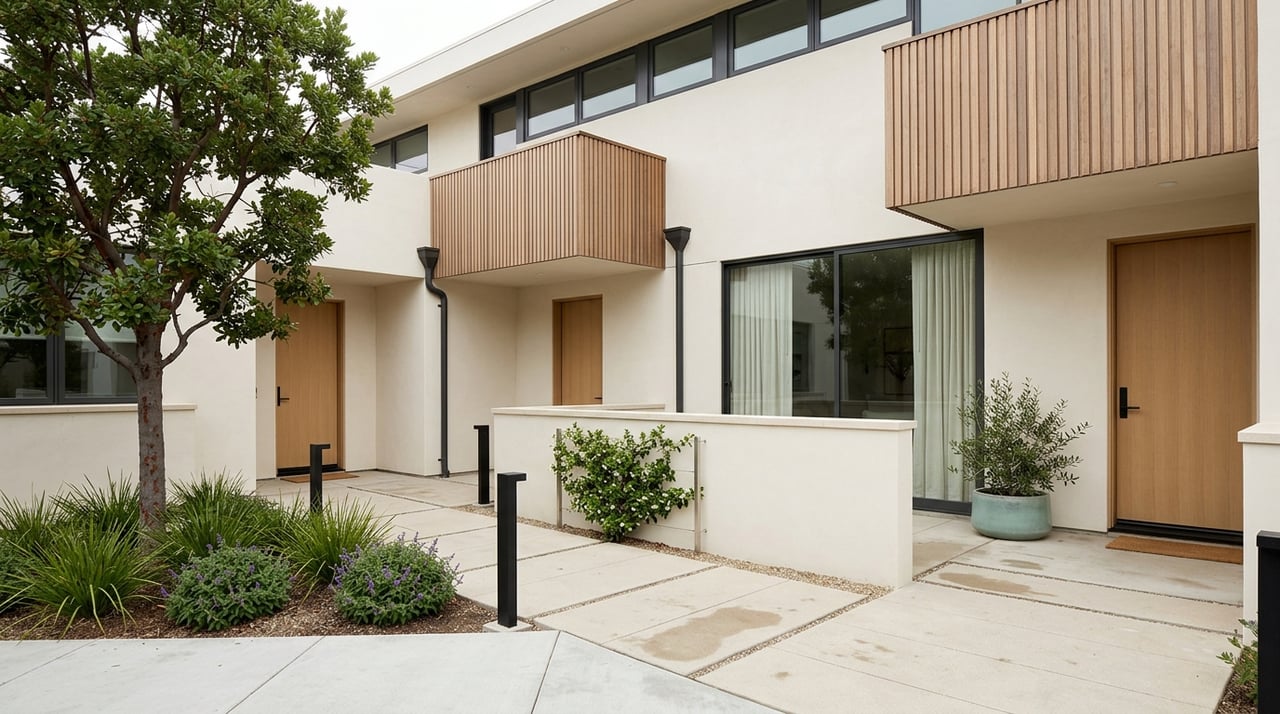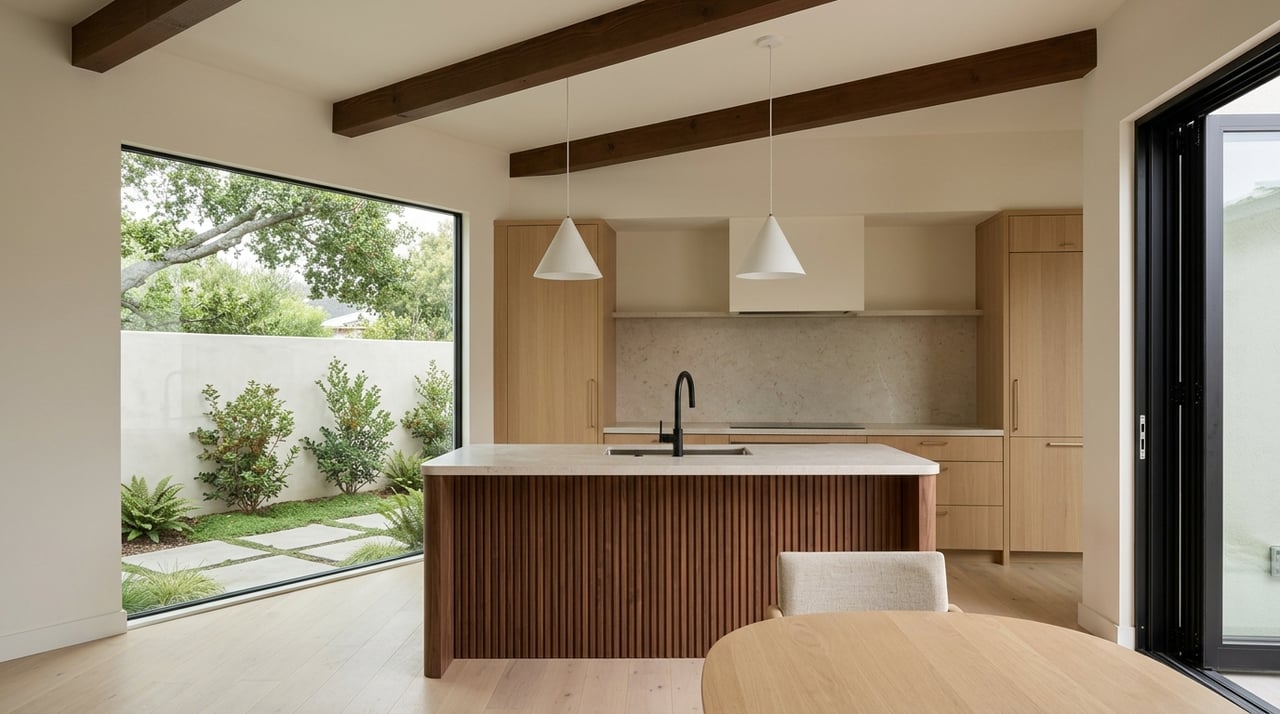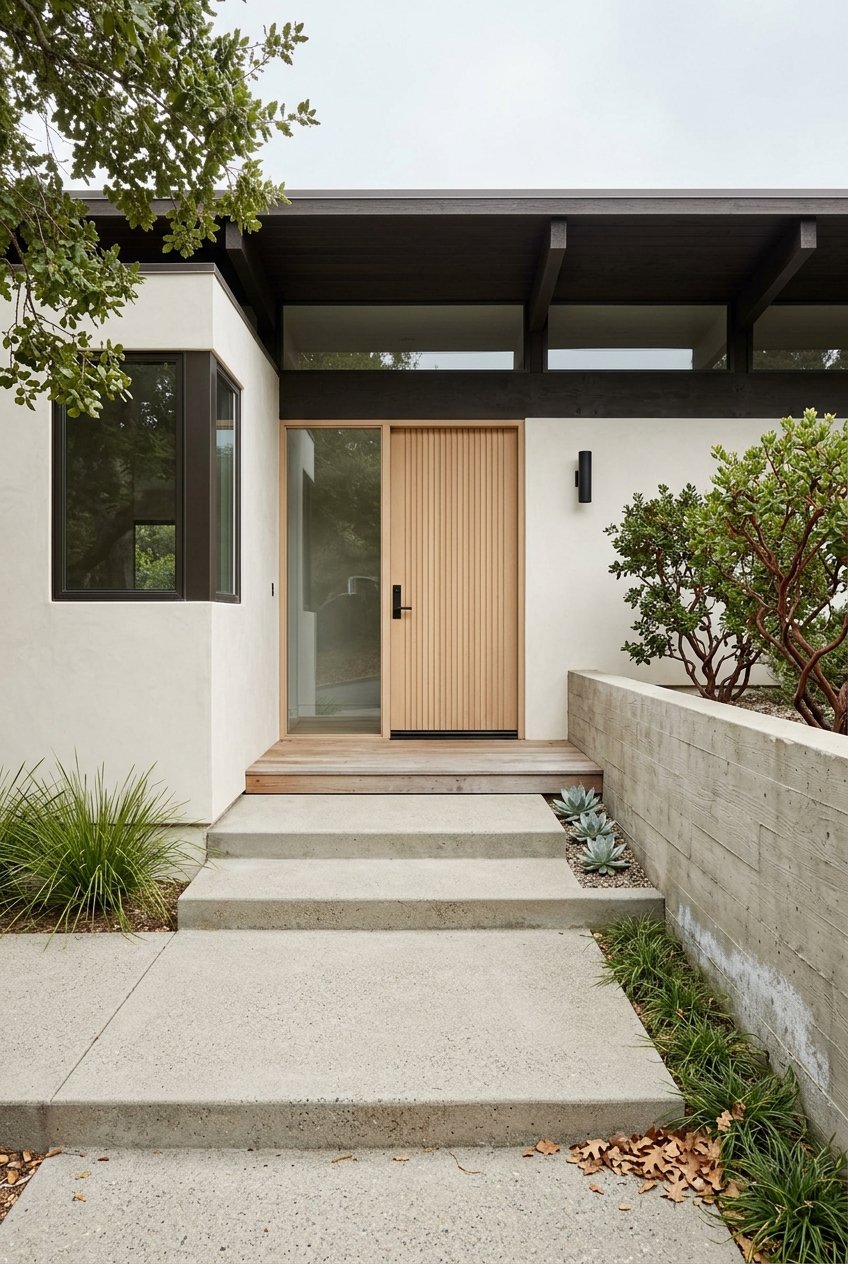
Looking for a place where a leafy village green meets secluded hillside estates? In Ross, you get a quiet, low-density town with trailheads, cultural gardens, and architect-designed homes tucked into the hills. If you value privacy, design, and a strong sense of place, this guide shows you how Ross works — from zoning and lot sizes to daily life, schools, and what to expect when you buy. Let’s dive in.
Why Ross feels private: zoning, lot size, topography
Ross is compact at about 1.6 square miles, and the Town describes itself as intentionally low density, centered on the Ross Common green. That small footprint and village layout keep activity scaled to residents rather than visitors. You feel that calm as soon as you arrive near the town hall and green. The Town’s summary captures this character.
Privacy also comes from rules that limit density. The Town’s Housing Element lists minimum lot sizes, floor-area controls, setbacks, and lot-width and depth expectations that make large-lot, single-family living the norm. Parking and driveway standards add another layer, which can limit multi-unit projects and keep streets quieter. You can review the current standards in the Town’s Housing Element.
Topography plays a role too. Much of the remaining vacant land is on steep slopes or near water-district lands, which makes large new subdivisions unlikely. Those environmental constraints further protect the town’s single-family feel and mature canopy. The Town’s planning documents highlight these terrain limits and their effect on what can be built.
Where you’ll find cottages vs. estates
On the valley floor near Ross Common, you tend to find cottage-scale homes on smaller lots. Many are early 20th‑century houses that lean Craftsman, Victorian, or English-country in feel. Streets are leafy and walkable to the green, school, and small commercial block.
Head into the surrounding hills and lots get larger. This is where you see estate-scale properties with long drives, privacy hedges, and views filtered through oaks and redwoods. Some are renovated historic homes, others are significant custom builds, including mid-century and architect-designed residences. The Town’s planning maps in the Housing Element show this valley-floor versus hillside pattern clearly.
Small-town center and open space
Ross’s commercial area is purposefully small and charming, anchored by the town hall and Ross Common. That green is the social heart of the town, with casual gatherings and an easy, neighborly pace. It is the opposite of a regional retail draw, which many residents prefer.
Just off the village, the Marin Art & Garden Center offers 11 acres of gardens and cultural programming. It is a favorite for low-key events and afternoon walks, and it adds real texture to daily life. You can find it highlighted on the Town’s schools and organizations page.
For trails and lakeside scenery, Phoenix Lake and Natalie Coffin Greene Park sit right in town. The loop trails give you quick access to open space for morning hikes and weekend runs without a long drive. Local park and historic documents reference the Phoenix Lake area and Natalie Coffin Greene Park, which many buyers consider a daily-life perk.
Schools and clubs: family, culture, privacy
Ross has a single-site public K–8, Ross Elementary, which is known for strong performance and community involvement. You can review outcomes and context in the district’s School Accountability Report Card. For high school, many families look to respected private options nearby.
The Branson School is located in Ross and serves grades 9–12. You can confirm details through the California Department of Education’s Branson profile. San Domenico School, a well-known private K–12 in neighboring San Anselmo, is also part of many families’ planning; here is the school’s contact page for more information.
Recreation often centers on membership clubs and low-key local offerings. The longstanding Lagunitas Country Club is in Ross, reflecting the town’s preference for small, well-managed institutions rather than large public facilities. Together, schools, clubs, and parks contribute to a community rhythm that feels quiet and connected.
Buying an estate in Ross: what to expect
Estate purchases in Ross are as much about land and setting as the house itself. Before you write an offer, plan for careful due diligence on topography, drainage, tree protection, and driveway access. If the property is near steep slopes or open space, expect extra attention to grading, retaining structures, and landscape design.
Permits can take time. Many large additions and site changes go through design review, and parking or driveway standards may shape what is feasible. Minimum lot sizes, floor-area ratios, setbacks, and lot dimensions frame the conversation. For a primary reference, study the Town’s current Housing Element before planning major work.
Here is a simple planning checklist to use when evaluating an estate property:
- Confirm subzone, minimum lot size, and floor-area allowances.
- Review driveway slope, parking layout, and turnaround requirements.
- Assess tree canopy, erosion controls, and drainage solutions.
- Scope potential grading, retaining walls, and landscape lighting.
- Outline approvals, timeline, and consultant costs with your team.
Market snapshot and why medians swing
Ross has a long track record of high-value sales. In fact, PropertyShark’s 2022 report ranked 94957 among the nation’s most expensive ZIP codes based on that year’s closed-sale medians. Recent snapshots can show lower or higher medians compared with peak years, which is common in very small markets.
The reason is sample size. With only a handful of closings each month, one or two large estate sales can move the median dramatically. When you want a current read, ask for a week-of-market snapshot and context on which properties sold. For policy context on why minimum lot sizes and single-family zoning often correlate with higher prices, you can read this Harvard analysis.
How we can help you move with confidence
Buying or selling in Ross benefits from discretion, preparation, and precise local guidance. You get more than pricing advice. You get coordination on preparation, vendor management, and presentation, plus quiet outreach that respects privacy and timing. If you are a buyer, curated access and early alerts can be decisive in a small market.
When you are ready to explore Ross, connect for a confidential conversation about strategy, timing, and on-the-ground realities. Work with Stephanie Pratt to align the right property, preparation plan, and market approach for your goals.
FAQs
What makes Ross, CA feel so private?
- The town’s small size, low-density planning, large-lot zoning, and steep, wooded hillsides limit development and create a quiet, single-family environment.
Where are Ross cottages versus estates located?
- Cottages cluster on the valley floor near Ross Common, while larger estates sit on the surrounding hills with longer drives, bigger lots, and more seclusion.
How do schools influence Ross home searches?
- Families often prioritize proximity to Ross Elementary K–8 and consider private options like Branson and San Domenico when planning for high school.
What permitting steps are common for Ross estates?
- Larger projects typically involve design review, plus checks on setbacks, floor-area limits, driveway slope and parking standards, and tree or grading impacts.
Why do Ross home price medians change quickly?
- With a small number of sales, one or two large estate closings can swing the median, so month-to-month figures can shift more than in bigger markets.